Finley Schulz · 15 September 2026
Elmsly Residents Uncover Town History at Brand New Heritage Center
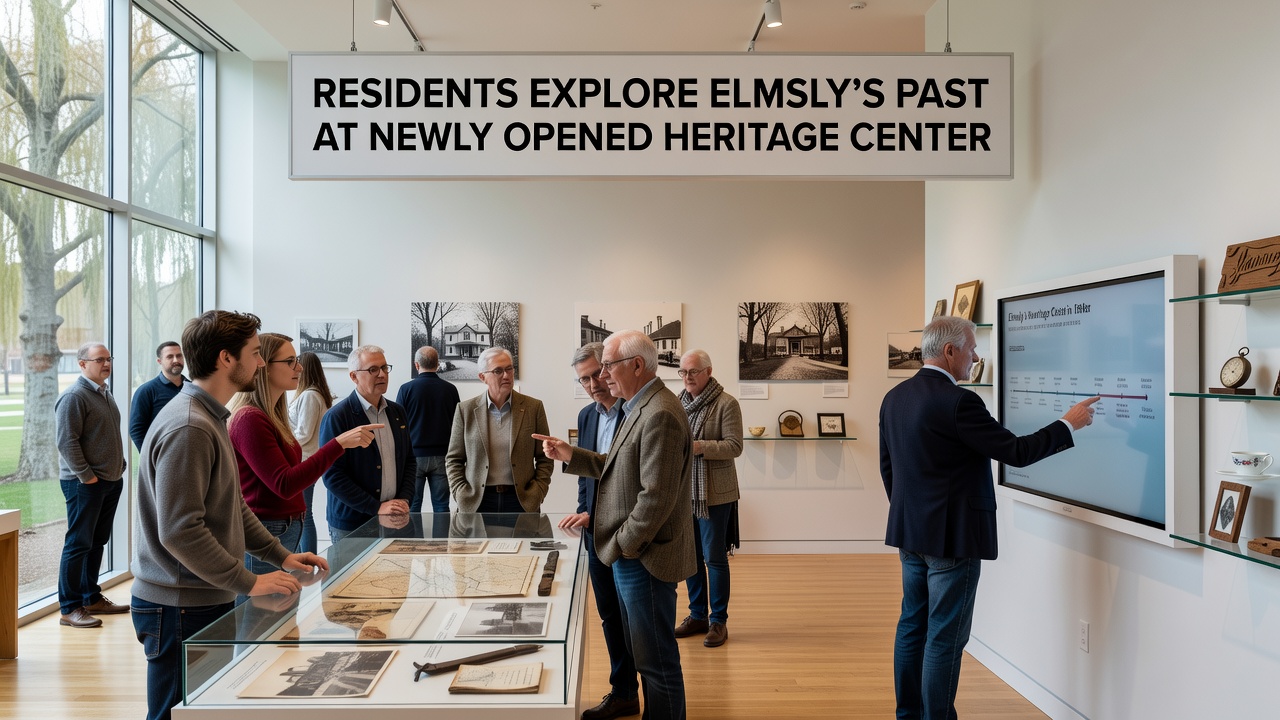
The Elmsly Heritage Center opened its doors in early September 2026, drawing crowds of local residents who came to examine artifacts, documents, and photographs that trace the town's development from its earliest settlements through the industrial era, and people filled the main exhibit hall as staff guided groups past displays that highlight agricultural roots, railroad expansion, and community milestones from the late 1800s onward.
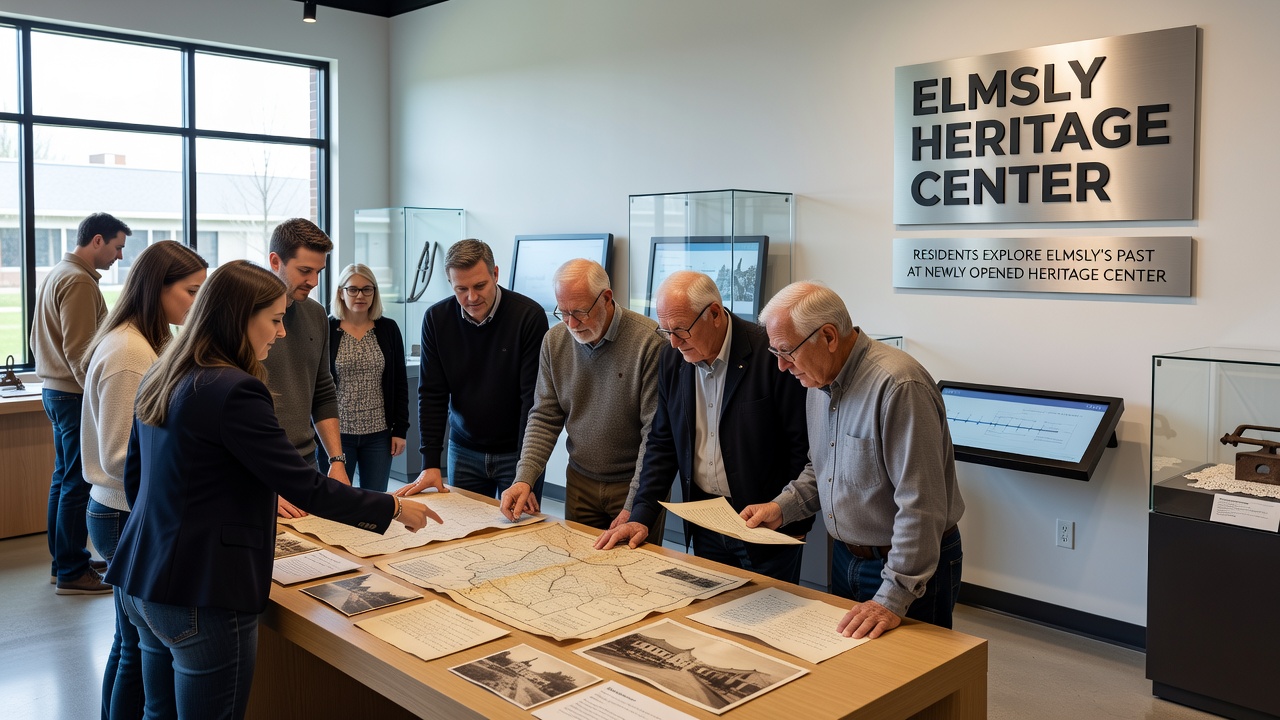
Staff members prepared the space over several months by cataloging donations from families who had lived in the area for generations, and the collection includes farm tools, period clothing, and handwritten ledgers that record daily life in the region, while interactive panels allow visitors to explore digitized maps that show how Elmsly's boundaries shifted with each decade of growth.
Opening Events Draw Steady Crowds
September programming began with guided tours scheduled every hour on opening weekend, and organizers reported steady attendance as families brought children to view items that once belonged to their ancestors, yet the center also hosted evening lectures where historians presented findings from recent archival research that connects Elmsly to broader regional trade networks in the nineteenth century.
Volunteers from the local historical society assisted with setup and continue to staff information desks, answering questions about specific objects while directing visitors to related online resources maintained by state archives, and attendance figures show more than eight hundred people passed through the doors during the first two weeks of operation.
Key Exhibits Highlight Local Development
The main gallery features a timeline wall that stretches across thirty feet and marks pivotal moments such as the arrival of the first rail line in 1872 and the establishment of the town charter in 1894, while adjacent cases hold pottery fragments recovered from construction sites and letters written by early settlers that describe challenges with soil and weather patterns common to the area.
Researchers note that many items were recovered from attics and basements during a community call for donations last spring, and curators worked with university partners to verify dates and origins using carbon dating on organic materials along with cross-referencing against census records available through national databases.
Community Involvement Shapes the Collection
Local schools arranged field trips that began in late September, allowing students to complete worksheets tied to the displays and to interview longtime residents who volunteered their stories for oral history recordings now archived at the center, and several classes returned for follow-up sessions that focused on map interpretation skills using reproductions of original survey plats.
Business owners contributed display cases that showcase tools from former shops along Main Street, and one section recreates a 1920s kitchen using items donated by multiple households, complete with period appliances and recipe cards that reflect the ingredients available from nearby farms during that era.
Funding for the project came through a combination of municipal grants and private contributions tracked by the Elmsly Community Foundation, while ongoing maintenance relies on membership fees that also grant holders early access to special exhibits scheduled for later in the year.
Digital Resources Extend Reach Beyond Physical Walls
Planners integrated technology that lets visitors scan QR codes beside each artifact to access additional photographs and background text on their phones, and the same system feeds into a public database hosted in partnership with regional library networks so that researchers anywhere can review high-resolution scans of documents without traveling to the site.
According to records from the National Archives and Records Administration, similar community heritage projects across the United States have increased public engagement with local history by an average of 35 percent in the first year after opening, and Elmsly staff track comparable metrics through entry logs and online session counts.
Future Programming Builds on Initial Success
October workshops will focus on genealogy research methods, teaching participants how to trace property ownership through county deed books and how to request military service files from federal repositories, while November events include a temporary exhibit on the town's role in regional manufacturing that draws from collections held at the Canadian Museum of History for comparative context on cross-border trade.
Organizers continue to accept new donations and encourage residents to bring forward any remaining items that fit the collection guidelines, and staff review each submission for condition and relevance before integrating it into the catalog or suggesting alternative repositories when space or theme does not align.
Conclusion
The heritage center operates Tuesday through Sunday with extended hours on weekends, and admission remains free for the first six months to encourage broad participation from across Elmsly and surrounding communities, while paid memberships support future acquisitions and educational outreach that will keep the focus on preserving and sharing the town's documented past.