Drew Bauer · 29 September 2026
Elmsly Expands STEM Education Through School Collaborations With Riverfront Enterprises
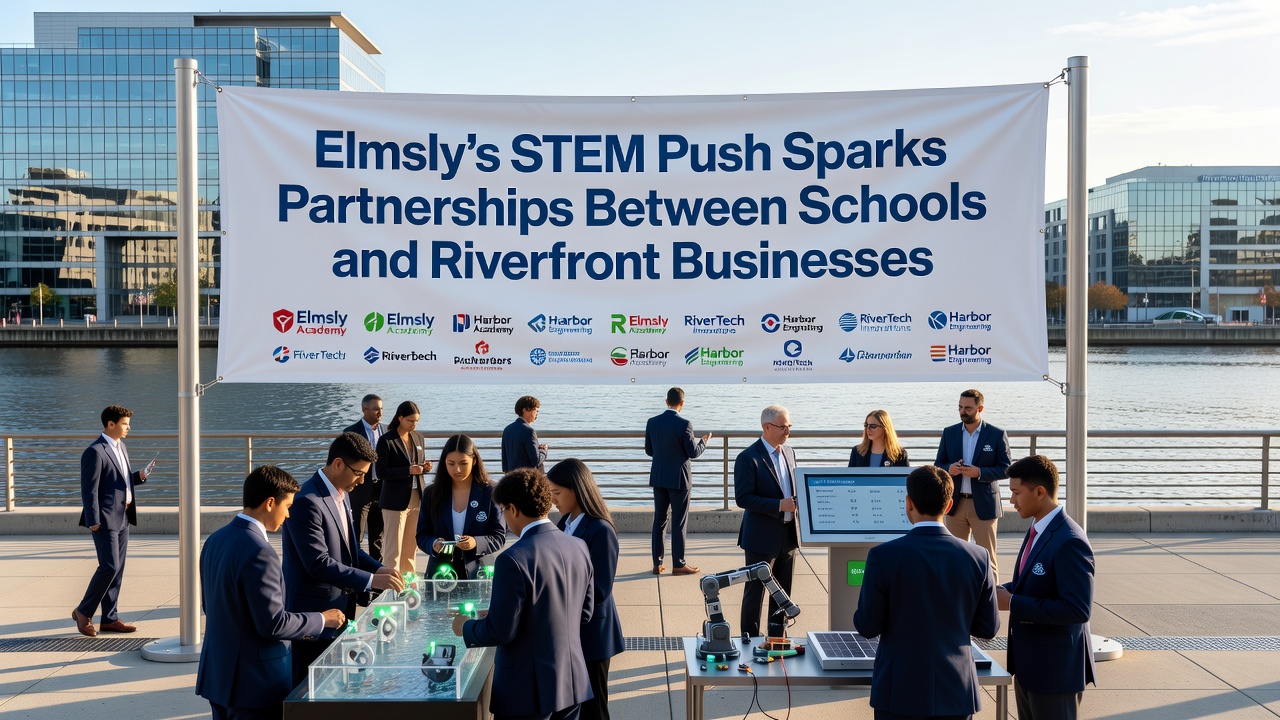
Elmsly has developed a series of STEM education initiatives that connect local schools directly with businesses operating along the riverfront district, and these efforts have produced measurable partnerships since their introduction. The programs focus on applied learning in engineering, environmental science, and technology fields where students gain exposure to real-world projects managed by companies involved in river management, logistics, and sustainable infrastructure. Data from the Elmsly School District shows enrollment in related courses increased by 28 percent between 2024 and 2025 according to district reports.
Administrators coordinated the first round of agreements with five riverfront firms during the spring of 2025, and those agreements outlined shared resources including lab equipment donations, guest instructor sessions, and summer internship placements. The partnerships emphasize skills aligned with regional employment needs such as water quality monitoring, structural analysis for waterfront facilities, and data modeling for flood control systems. Observers note that similar approaches have appeared in other river communities where education and industry align around shared technical requirements.
Program Structure and September 2026 Launch Details
School officials scheduled the next phase of activities to begin in September 2026 with expanded classroom modules and on-site visits. Each participating business provides curriculum input based on current operational challenges, which teachers then integrate into existing science and mathematics sequences. For instance, one logistics company contributed case studies on optimizing barge loading procedures while an environmental firm supplied sensor data from river monitoring stations for student analysis projects.
Teachers receive training through joint workshops organized by the district and the participating companies, and those sessions cover both technical content and instructional methods for project-based learning. The district reported that 42 educators completed the initial training cycle by June 2025, with additional cohorts planned before the September 2026 start date. Students in grades nine through twelve qualify for the specialized tracks, and selection occurs through a combination of academic performance and expressed interest in technical careers.
Partnership Examples and Resource Sharing
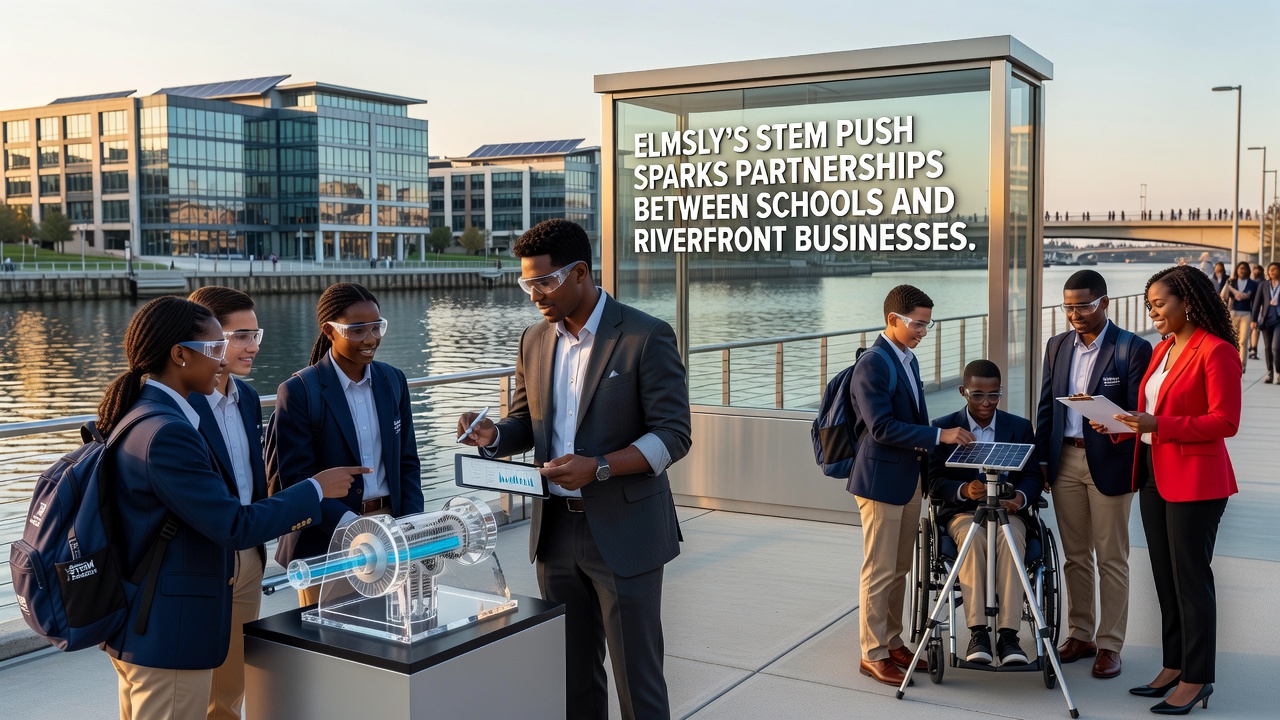
One engineering firm located on the riverfront donated three-dimensional modeling software licenses valued at approximately $75,000 and committed staff time for monthly mentoring sessions. Another company specializing in river dredging equipment opened its testing facility for quarterly student field trips where participants operate scaled versions of monitoring tools under supervision. These arrangements follow patterns documented in industry reports from organizations such as the National Science Foundation that track education-industry linkages in technical fields.
Additional support comes from a local community college that supplies credit-bearing courses hosted at the riverfront sites, allowing high school students to earn dual enrollment credits while completing projects tied to business operations. The college reported 65 students registered for the pilot courses during the 2025 academic year, and projections indicate growth once the September 2026 programs activate. Equipment sharing extends to portable testing kits for water chemistry analysis that circulate between classrooms and company labs on a scheduled rotation.
Outcomes Measured Through District Tracking
District evaluations track student performance metrics including standardized test scores in science and mathematics plus post-graduation placement rates in technical programs. Figures from the 2024-2025 school year indicate participants achieved an average 12-point gain on state science assessments compared with non-participants, while internship completion rates reached 91 percent among eligible seniors. These numbers align with findings from broader studies on applied STEM programs released by the Australian Department of Education which examined similar school-industry models across multiple regions.
Business representatives report that the collaborations have supplied a pipeline of candidates familiar with local equipment and procedures, reducing initial training periods for new hires. Several firms noted that three former student interns transitioned into full-time roles after graduation in 2025, and additional placements are under discussion for the coming cycle. Resource contributions from businesses have totaled over $210,000 in equipment and personnel hours through the first eighteen months of the initiative.
Conclusion
The Elmsly STEM partnerships continue to evolve through ongoing adjustments based on feedback from educators, students, and company staff. Planning documents indicate further expansion may incorporate middle school outreach and additional riverfront participants by 2027. The current framework demonstrates how targeted connections between schools and local enterprises can structure educational experiences around documented workforce requirements in technical sectors.