Finley Schulz · 13 October 2026
Elmsly Birdwatching Club Records Rare Species Sightings on Protected Trails
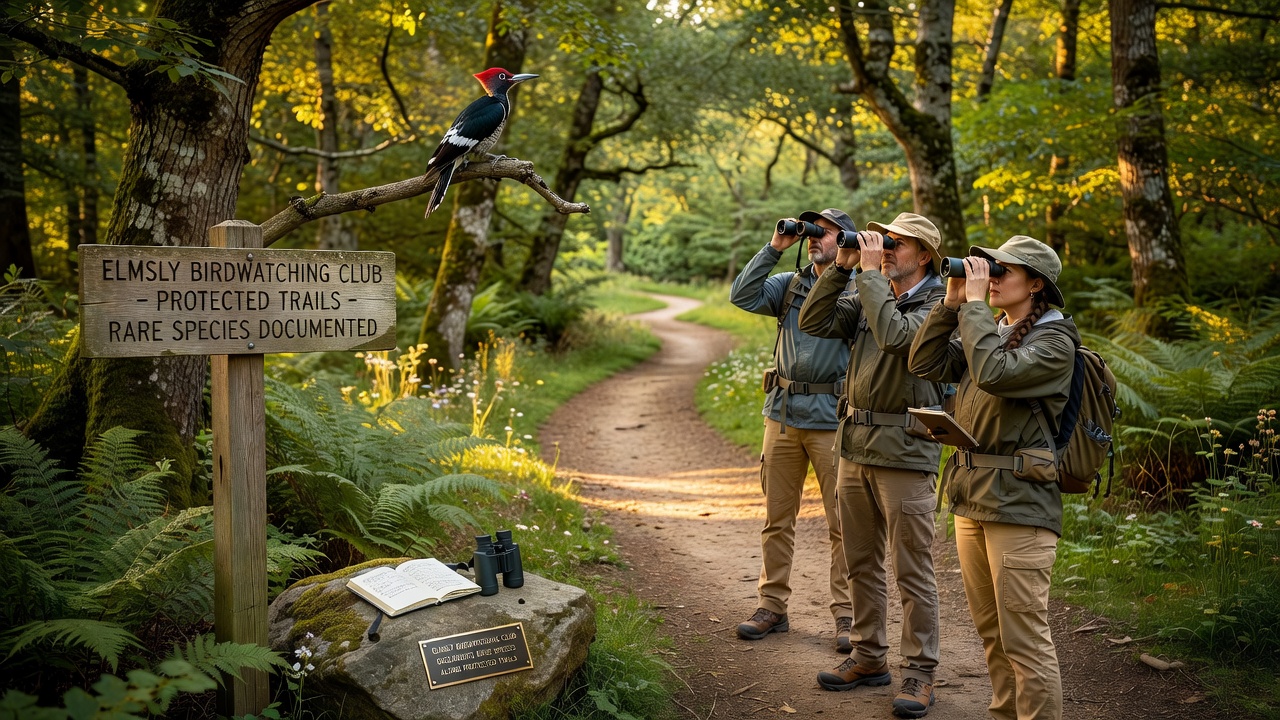
The Elmsly Birdwatching Club continues its systematic documentation of avian species along the town's network of protected trails, with recent efforts yielding records of several uncommon birds in the region. Club members conduct regular surveys that track population trends, migration patterns, and habitat use while adhering to strict guidelines set by local conservation authorities.
Data collected over the past several seasons shows consistent presence of species such as the cerulean warbler and the bobolink in designated areas, findings that align with broader monitoring programs. In October 2026 observers noted additional sightings of the golden-winged warbler near the eastern trail segments, information that contributes to regional databases maintained by wildlife agencies.
Survey Methods and Trail Coverage
Participants divide into small teams that follow established routes through protected corridors, employing standardized protocols for counting and identifying birds by sight and sound. Each outing records time, weather conditions, and exact locations using GPS coordinates, which allows later analysis of distribution across different habitat types including riparian zones and mature woodlands.
Equipment remains minimal to reduce disturbance, though digital audio recorders capture calls for later verification by ornithologists. The club coordinates with land managers to ensure access aligns with seasonal restrictions that protect nesting sites and sensitive vegetation.
Species Highlights and Data Patterns
Records indicate that several migratory species appear during spring and fall movements, while resident birds maintain stable numbers in core areas. One study revealed that trail-adjacent meadows support higher densities of grassland specialists compared to adjacent developed zones, a pattern also observed in comparable sites across North America.
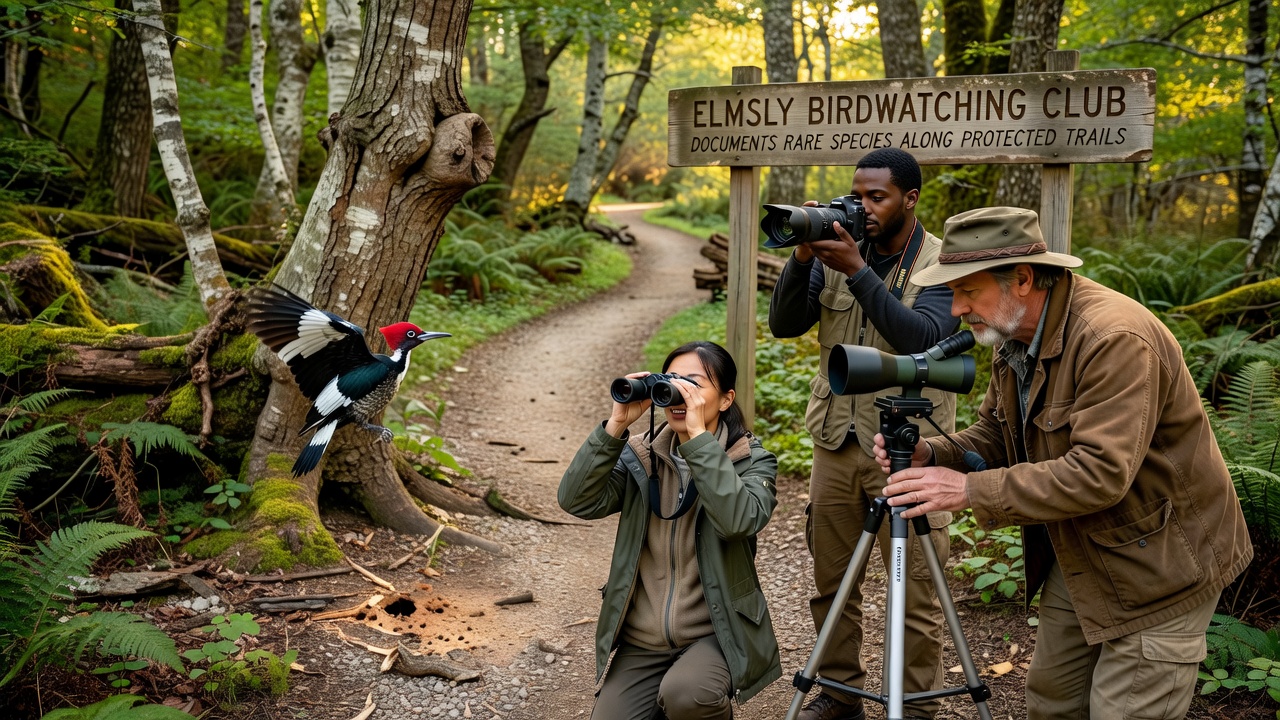
Researchers at nearby institutions have cross-referenced these local observations with data from the Canadian Wildlife Service, noting similarities in habitat preferences for certain warbler species. Figures reveal that protected trail buffers correlate with increased detection rates during peak migration periods.
Collaboration with Conservation Partners
The club shares its compiled datasets with municipal planning departments and regional environmental organizations, supporting decisions on trail maintenance and habitat restoration. Partnerships extend to educational programs where club members lead guided walks that introduce participants to identification techniques and ethical observation practices.
Reports submitted to national monitoring networks help fill gaps in coverage for inland areas, complementing work conducted by groups such as BirdLife Australia in different ecosystems. This exchange strengthens understanding of how localized protections influence broader population dynamics.
Future Monitoring Plans
Upcoming seasons will expand coverage to include nocturnal surveys for owl species and additional focus on wetland edges where waterfowl concentrate. Training sessions scheduled for new volunteers emphasize accurate record-keeping and minimal-impact field techniques.
Continued documentation supports long-term tracking of changes linked to climate variability and land-use shifts around Elmsly, providing a baseline that future studies can reference.
Conclusion
The Elmsly Birdwatching Club's ongoing work demonstrates how community-based observation contributes measurable data to species monitoring along protected trails. Records from 2026 and prior years feed into larger conservation frameworks that guide habitat management across multiple jurisdictions.